By the Phoenix Warrior
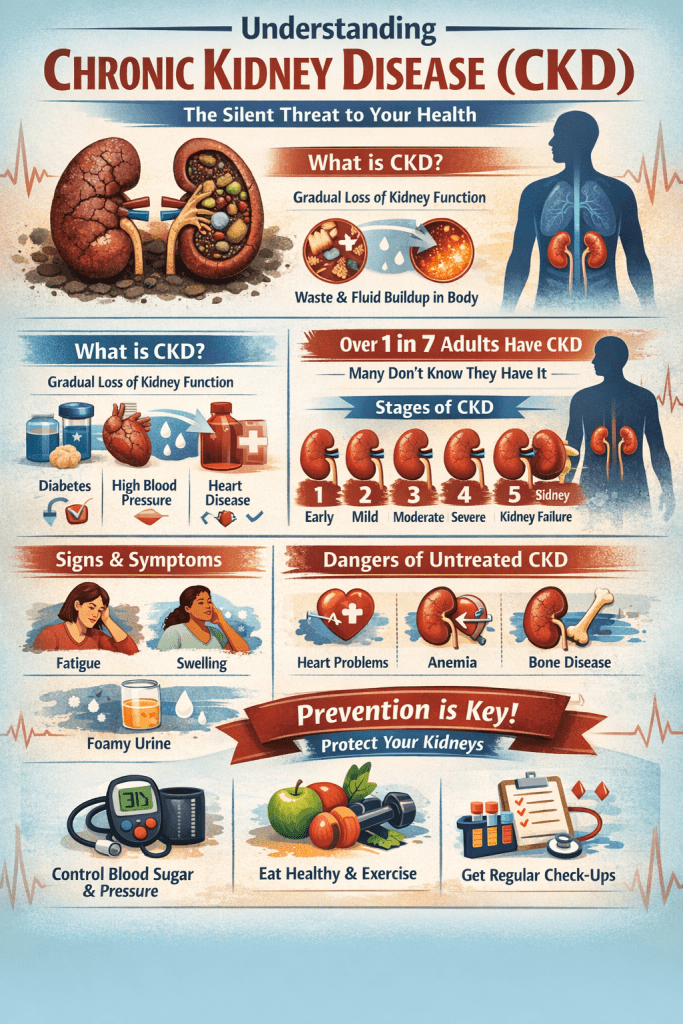
Chronic kidney disease (CKD) is a condition characterized by the gradual loss of kidney function over time. The kidneys’ essential role is to filter waste and excess fluid from the blood, which is then removed through urine. When kidney function declines, dangerous levels of fluid, electrolytes, and waste products can build up in the body. In the early stages, there are often no symptoms, but early diagnosis and treatment are crucial to slow or prevent progression to kidney failure, also known as end-stage kidney disease (ESKD). This article provides a comprehensive overview of CKD, including its causes, symptoms, stages, and most importantly, the preventive measures everyone should know.
The Scope of the Problem
Chronic kidney disease is a significant and growing public health issue. In the United States alone, it is estimated that more than 1 in 7 (approximately 14%) adults have CKD. The challenge is compounded by the fact that it is a “silent” disease; as many as 9 out of 10 people with CKD are unaware they have it. This lack of awareness means many do not seek treatment until the disease is advanced, when interventions are less effective. Kidney diseases are also a leading cause of death in the United States, highlighting the serious nature of the condition.
Causes and Risk Factors
CKD can result from various conditions and factors that damage the kidneys over months or years. The two most common causes, accounting for the majority of cases, are diabetes (both type 1 and type 2) and high blood pressure (hypertension). High blood sugar from diabetes can damage the tiny blood vessels in the kidneys, while high blood pressure can create excessive force that damages these vessels over time.
Other significant causes and risk factors include :
- Heart disease
- Obesity stresses the kidneys directly and leads to diabetes and hypertension.
- A family history of kidney failure or inherited conditions like polycystic kidney disease.
- Glomerulonephritis is an inflammation of the kidney’s filtering units.
- Autoimmune diseases such as lupus.
- Repeated kidney infections (pyelonephritis).
- Long-term use of certain medications, particularly nonsteroidal anti-inflammatory drugs (NSAIDs) like ibuprofen and naproxen.
- Smoking damages blood vessels and reduces blood flow to the kidneys.
- Older age.
Recognizing the Stages and Symptoms
Chronic kidney disease is classified into five stages based on the glomerular filtration rate (eGFR), a blood test that estimates how well the kidneys filter waste.
| CKD Stage | Description | Glomerular Filtration Rate (eGFR) |
| Stage 1 | Mild kidney damage with normal or high GFR | ≥ 90 mL/min/1.73 m² |
| Stage 2 | Mild loss of kidney function | 60-89 mL/min/1.73 m² |
| Stage 3a | Mild to moderate loss of function | 45-59 mL/min/1.73 m² |
| Stage 3b | Moderate to severe loss of function | 30-44 mL/min/1.73 m² |
| Stage 4 | Severe loss of kidney function | 15-29 mL/min/1.73 m² |
| Stage 5 | Kidney failure (End-Stage Kidney Disease) | < 15 mL/min/1.73 m² |
Data Source:
In the early stages (1-3), CKD is often asymptomatic. As the disease progresses, signs and symptoms may become noticeable. These can include :
- Fatigue and weakness: Due to a buildup of wastes and anemia.
- Swelling (edema): In the feet, ankles, hands, or face from fluid retention.
- Changes in urination: Such as urinating more or less often, or having foamy urine.
- Skin itching and dryness: Caused by mineral and bone disease.
- Muscle cramps: Particularly at night.
- Nausea and vomiting.
- Loss of appetite and unintended weight loss.
- Trouble sleeping and decreased mental acuity (brain fog).
- Shortness of breath: From fluid buildup in the lungs or anemia.
Because these symptoms are nonspecific and can be caused by other illnesses, the only way to know for sure is through medical testing.
Complications of Untreated CKD
If CKD is not managed effectively, it can lead to severe health complications affecting nearly every part of the body :
- Cardiovascular disease: Including heart attack, stroke, and heart failure. CKD is a major risk factor for heart disease.
- Anemia: A shortage of red blood cells, causing fatigue and weakness.
- Bone disease: Due to an imbalance of calcium and phosphorus.
- High potassium (hyperkalemia) can be life-threatening by affecting heart function.
- Fluid buildup: Leading to swelling in the limbs and fluid in the lungs (pulmonary edema).
- Damage to the central nervous system: Causing difficulty concentrating, personality changes, or seizures.
- Weakened immune system: Making individuals more susceptible to infections.
Diagnosis: The First Step to Protection
Early diagnosis is critical. CKD is typically detected through routine blood and urine tests.
- Blood test (eGFR): This calculates your glomerular filtration rate based on the level of creatinine, a waste product, in your blood. An eGFR below 60 mL/min/1.73 m² for three months or more indicates kidney disease.
- Urine test (uACR): This checks for albumin, a protein, in your urine. Healthy kidneys keep protein in the body, so protein in the urine is a sign of kidney damage.
- Imaging tests: An ultrasound may be used to see the size and structure of the kidneys and check for blockages.
If you have risk factors such as diabetes or high blood pressure, it is vital to ask your doctor about these tests.
Prevention: What Everyone Must Know
The adage “prevention is better than cure” holds for CKD. Many cases can be prevented or delayed by managing risk factors and adopting a healthy lifestyle. Here are the most important steps everyone should take.
1. Manage Underlying Health Conditions
The most effective way to prevent CKD is to control the conditions that cause it.
- Control Blood Pressure: High blood pressure is the second leading cause of CKD. Work with your doctor to keep your blood pressure at or below your goal (often less than 130/80 mm Hg or 140/90 mm Hg, depending on your individual risk). This may involve lifestyle changes and medications such as ACE inhibitors or ARBs, which also directly protect the kidneys.
- Manage Blood Sugar: If you have diabetes, keeping your blood glucose levels within your target range is crucial. This is often measured by the A1C test, with a common goal of keeping it below 7%. Consistent management can prevent or slow kidney damage.
- Monitor Heart Health: Since heart disease is both a risk factor for and a complication of CKD, managing cholesterol and other cardiovascular risk factors is essential.
2. Adopt a Kidney-Healthy Lifestyle
Making smart daily choices supports overall health and protects your kidneys.
- Eat a Balanced Diet: Focus on a plant-forward, whole-food diet rich in fresh fruits and vegetables, whole grains, and low-fat dairy. This helps manage weight, blood pressure, and blood sugar.
- Reduce Salt (Sodium): High sodium intake can raise blood pressure. Aim for less than 2,300 milligrams of sodium per day. Cook with spices instead of salt, and limit processed foods.
- Limit Alcohol: Drinking too much alcohol can increase blood pressure and add extra calories. Limit intake to one drink per day for women and two for men.
- Stay Hydrated: Getting enough fluids helps the kidneys flush out toxins. For most men, a daily fluid intake of around 15 cups is a good goal, though individual needs vary.
- Exercise Regularly: Aim for 30 minutes of physical activity on most days. Exercise helps control blood pressure, blood sugar, and weight.
- Maintain a Healthy Weight: If you are overweight, losing even a small amount of weight can reduce strain on your kidneys.
- Quit Smoking: Smoking damages blood vessels, decreasing blood flow to the kidneys. Quitting is one of the best things you can do for your kidneys and overall health.
3. Be Proactive About Medications and Testing
- Avoid Overusing NSAIDs: Regular, long-term use of over-the-counter pain relievers like ibuprofen (Advil, Motrin) and naproxen (Aleve) can damage the kidneys. Always follow the instructions on the label and consult your doctor if you need regular pain relief.
- Get Regular Check-ups: Since early CKD has no symptoms, routine medical visits are non-negotiable, especially if you are in a high-risk group. Ask your doctor for eGFR and urine albumin tests.
- Know Your Family History: If you have a close relative with kidney failure, you are at higher risk and should discuss screening with your doctor.
Managing CKD: Slowing the Progression
If you are diagnosed with CKD, the goals of treatment are to slow the progression of the disease and prevent complications. This involves intensifying the prevention strategies mentioned above and working with a healthcare team that may include a nephrologist (kidney specialist) and a renal dietitian.
Key aspects of management include:
- Tight control of blood pressure and blood sugar, often with medications.
- Dietary changes to limit protein, potassium, and phosphorus, as advised by a dietitian.
- Taking prescribed medications to manage complications like anemia or bone disease.
- Preparing for potential kidney failure. In advanced stages (stage 5), treatment options include dialysis (a process to filter waste from the blood) or a kidney transplant.
The Power of Community: You Are Not Alone
Facing a diagnosis of Chronic Kidney Disease, whether for yourself or a loved one, can be an overwhelming and isolating experience. The medical journey—from understanding test results to navigating dialysis or transplant options—is challenging. However, it is a journey you do not have to walk alone.
Joining a support group like Dialysis PH Support Group Inc. is more than just becoming a member; it is becoming part of a family that understands your journey and stands with you every step of the way. In the face of Chronic Kidney Disease, no one should feel alone; through shared experiences, guidance, and encouragement, we gain strength, knowledge, and hope.
In the Philippines, Reynaldo Segarra Abacan Jr., founding President of DialysisPH Support group, called on everyone: “Together, we empower one another with accurate information about kidney disease management, dialysis care, transplant awareness, and patient welfare, helping each member live with dignity, confidence, and renewed purpose. In unity, support, and compassion, we build a community where hope grows stronger than fear and where every patient is reminded that they matter and they are not alone.”
Summary
Chronic kidney disease is a common, serious, and often silent condition, but its progression can be slowed or even prevented. The power to protect your kidneys lies largely in your own hands. By managing underlying health conditions like diabetes and high blood pressure, embracing a healthy lifestyle, and getting regular check-ups, you can take significant steps to safeguard these vital organs for years to come. If you have any risk factors, don’t wait for symptoms—talk to your doctor about getting tested today.
 thephoenixflare.wordpress.com
Leave a comment